A full vehicle inspection is one of the most important services you can get to keep your car safe, reliable, and running efficiently. Whether you’re preparing for a road trip, buying a used vehicle, or simply staying on top of maintenance, understanding what happens during a full inspection can help you make informed decisions about your car’s care.
Visual and Safety Checks
The inspection typically begins with a thorough visual review of your vehicle. A technician checks headlights, brake lights, turn signals, and hazard lights to ensure everything is working properly. Windshield wipers, mirrors, seat belts, and the windshield itself are also examined for damage that could affect visibility or safety.
Under-the-Hood Inspection
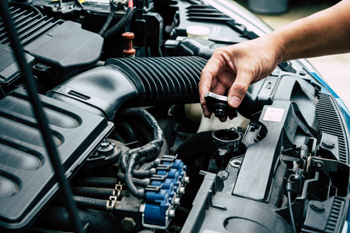
Next, the technician inspects critical engine components. This includes checking fluid levels such as oil, coolant, brake fluid, power steering fluid, and windshield washer fluid. Belts and hoses are examined for cracks, leaks, or signs of wear. The battery is tested for proper voltage, corrosion, and secure connections.
Brake and Tire Evaluation
Brakes are one of the most important safety systems on your vehicle. During a full inspection, brake pads, rotors, calipers, and brake lines are checked for wear and damage. Tires are inspected for tread depth, uneven wear, proper inflation, and visible damage. The technician may also assess alignment or suspension issues that can affect tire life.
Suspension and Steering Components
Your vehicle’s suspension and steering system help maintain control and comfort. The inspection includes checking shocks, struts, ball joints, tie rods, and bushings. Any looseness, leaks, or excessive wear can impact handling and safety, especially at higher speeds.
Exhaust and Emissions System
The exhaust system is inspected for leaks, rust, or damaged components such as the muffler and catalytic converter. These issues can affect engine performance, fuel efficiency, and emissions compliance.
Diagnostic Scan and Road Test
In many cases, a full inspection includes a computer diagnostic scan to check for hidden trouble codes, even if the check engine light isn’t on. A road test may also be performed to evaluate steering, braking, transmission shifting, and overall drivability.
Clear Recommendations, Not Pressure
After the inspection, you’ll receive a summary of the vehicle’s condition, including any recommended repairs or maintenance. A reputable auto repair shop will explain what needs immediate attention, what can be planned for later, and what’s in good shape—without unnecessary pressure.
Why Regular Inspections Matter
Regular full vehicle inspections can catch small problems before they turn into costly repairs, improve safety, and extend the life of your car. It’s a smart investment in peace of mind and long-term savings.
Lim’s Auto Body is a full service auto body and mechanical repair shop locally owned and operated in Largo, Florida. For more information, go to our web site www.limsautobody.com or call (727) 422-3232.